

Although I have never been much of a fan of winter, these past few months have affected me in ways I hadn’t expected. As the days grew shorter, I found myself returning to an old love: reading and writing poetry.
I also returned to a favourite passage from Rainer Maria Rilke’s The Notebooks of Malte Laurids Brigge, where he writes:
“For the sake of a few lines, one must see many cities, men and things. One must know the animals, one must feel how the birds fly and know the gesture with which the small flowers open in the morning.”
I smiled when I read those lines again. Perhaps I have now travelled widely enough to write a few lines of my own.
Rilke doesn’t end with experience alone. He reminds us that seeing many places is only the beginning:
“And still, it is not enough to have memories. One must be able to forget them when they are many, and one must have the great patience to wait until they come again.”
Reflecting on creativity, Maria Popova writes that “our memory and experience, our personal histories and cultural histories, interlace into a particular pattern which only that particular mind can produce.”
In a time when so many people are anxious about artificial intelligence and what it might mean for artists and writers, I find this idea so reassuring.
No two people experience the world in quite the same way. We are shaped by the places we have travelled, the books we have loved, the conversations we have had, the losses we have carried, and the moments that have stopped us in our tracks.
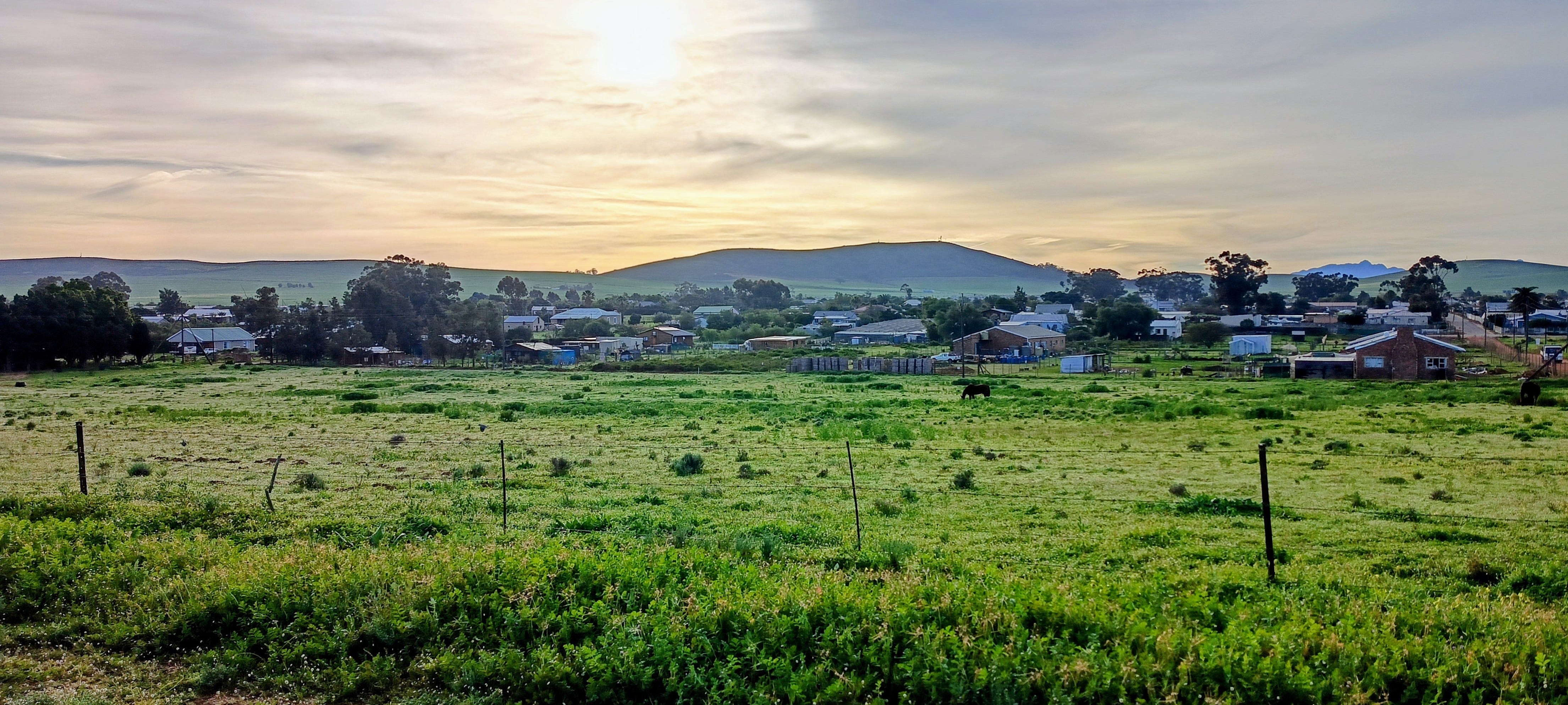
Technology can imitate styles, organise information and generate text, but it cannot live a human life. It cannot walk the same winter path every morning, remember a childhood scent, carry a private grief, or notice the particular way the light falls across a field.
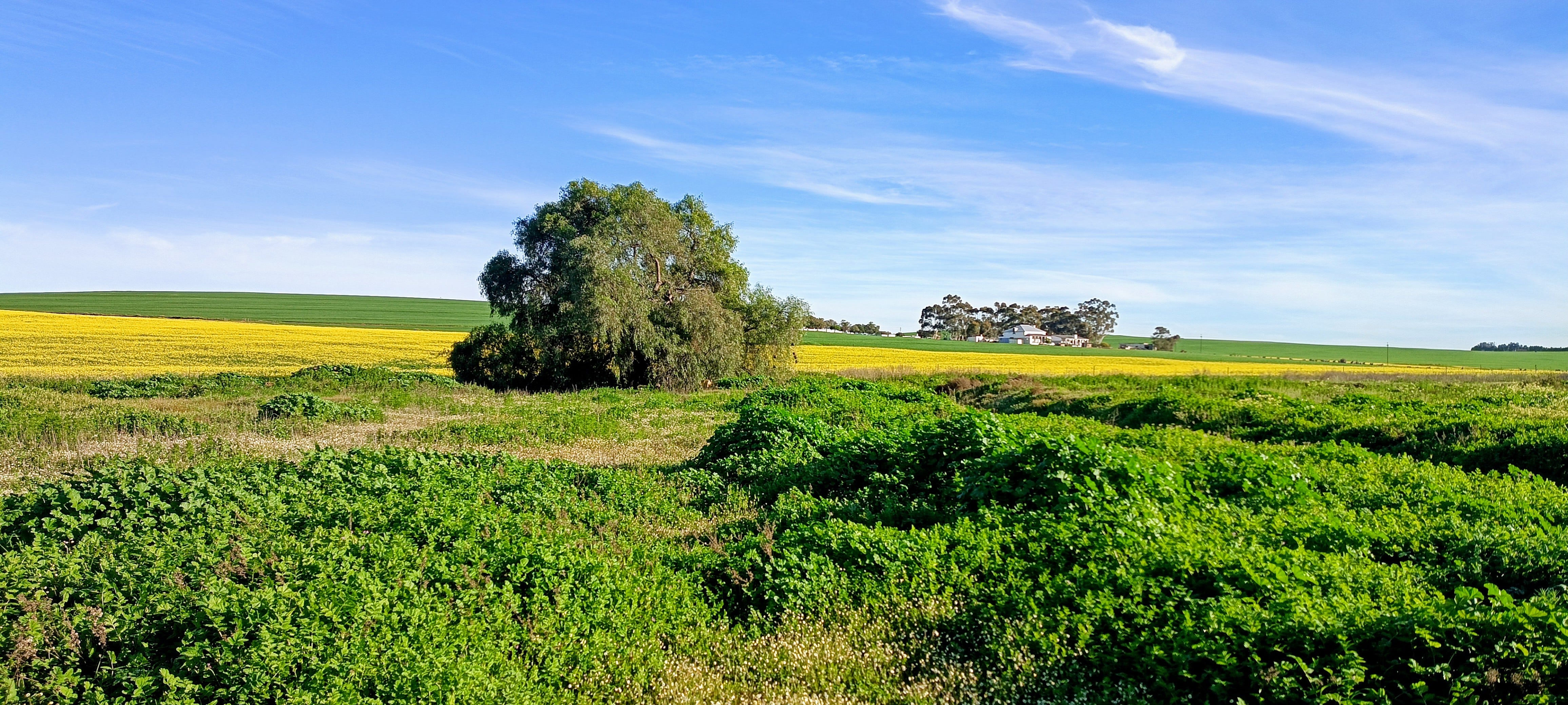
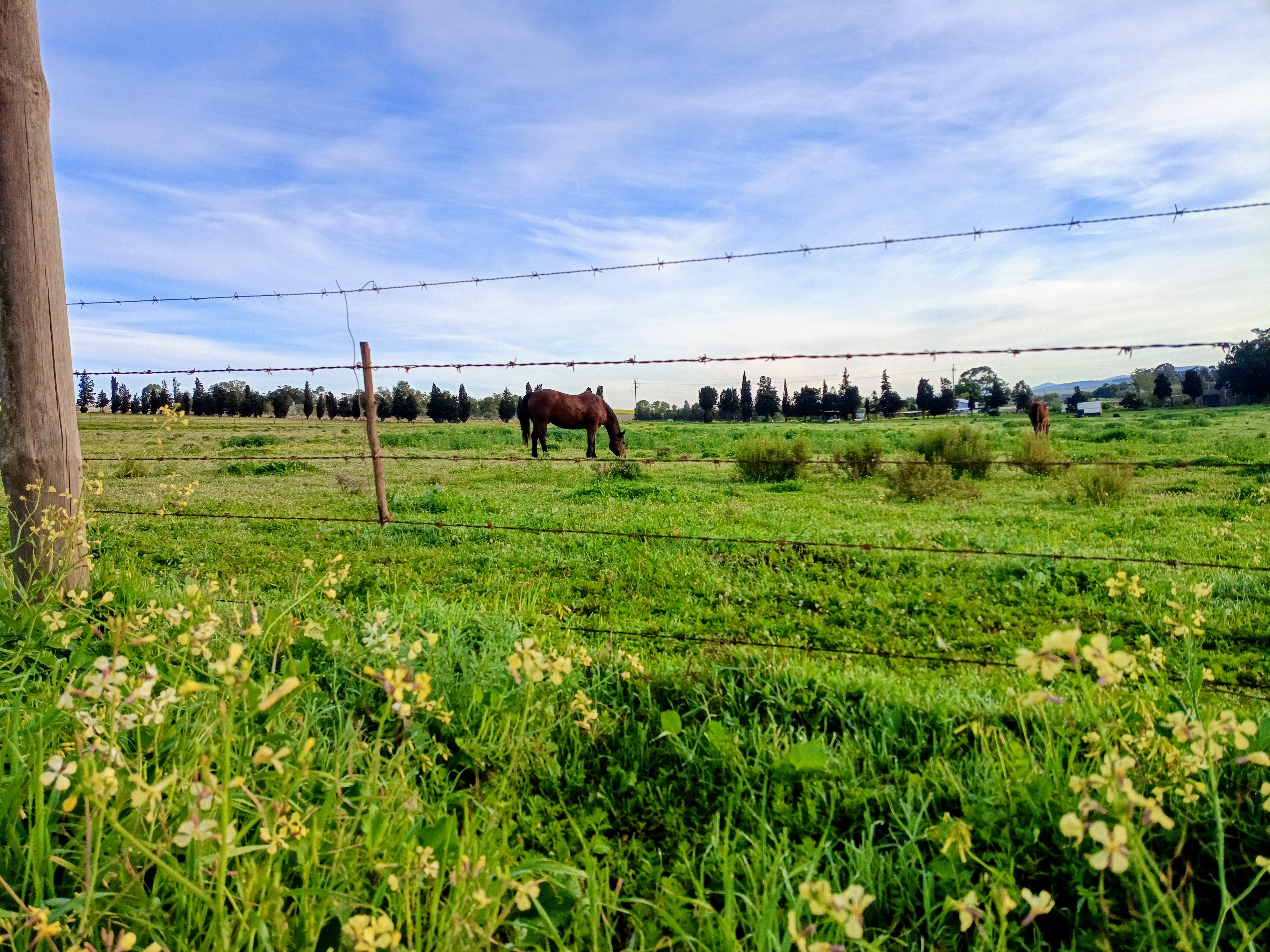
This week, I am sharing a few photographs from my winter walks around a small town in the Swartland. These walks inspired poems, but they also reminded me of the enchantment of nature. As I walked, I began to feel that everything living was in conversation—the trees waiting patiently for spring, birds moving through the hedgerows, frost tracing delicate patterns across leaves and branches.
Nature asks very little of us, only that we pay attention.


Morning Melody
In the early morning fields,
a blue crane stands by two brown horses.
Wild grasses dance in the happy wind,
canola bursts in golden bloom,
and drowsy daisies stir.
Listen closely—
the morning plays its melody,
and love, love, love, it sings.
Also read:

Thanks for reading! Subscribe for free to receive new posts and support my work.
Beautifully expressed. While AI can synthesize all the data that it has processed, it cannot actually express any emotion about what it all means.
So beautiful!