

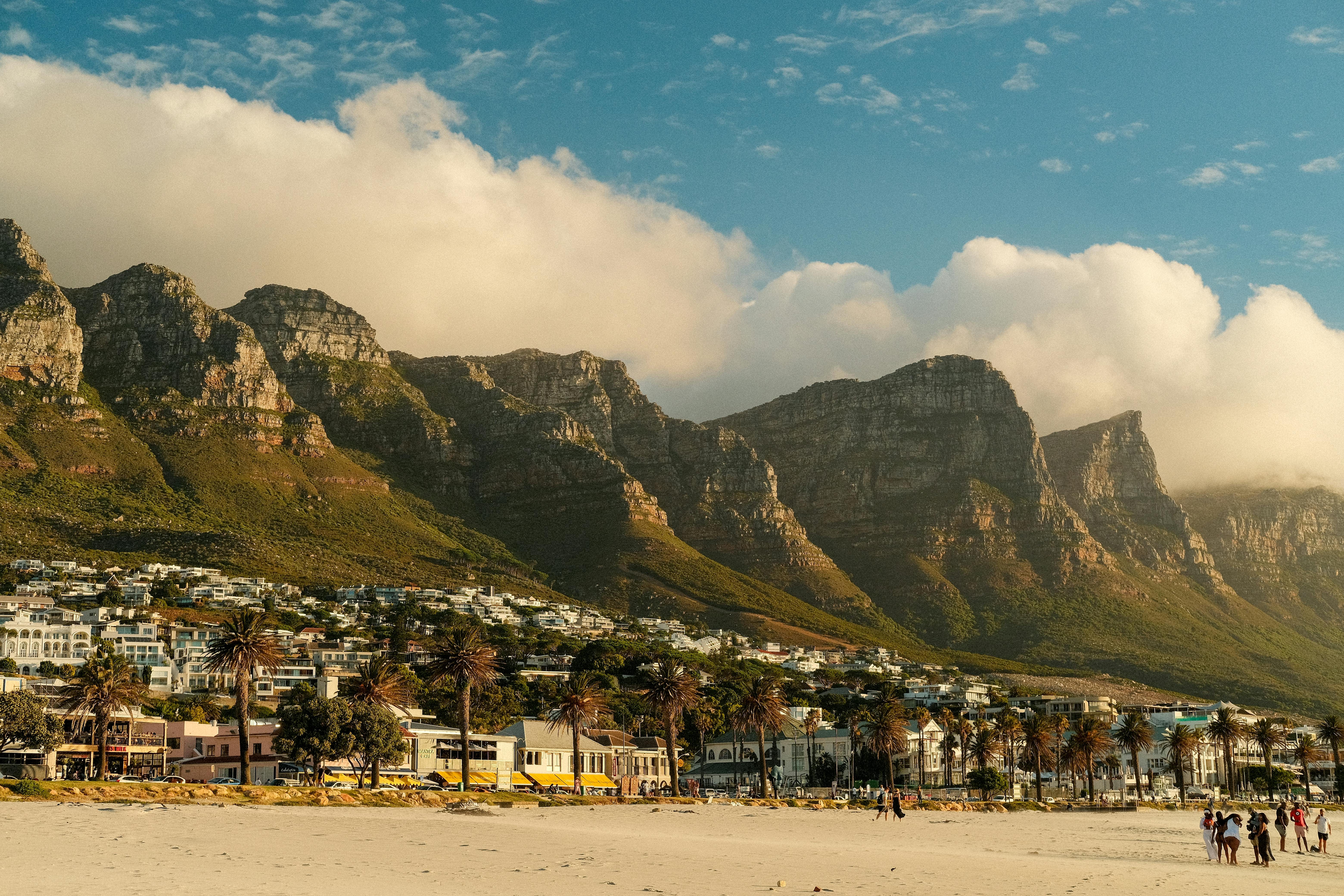
At some point around 3 a.m., I stopped pretending I was going to rest and just lay there listening to windows rattling, something outside clattering down the street, and the feeling that the Cape was reminding me of things I’d forgotten after too long abroad.
In my state of not sleeping, my mind started wandering down all kinds of paths, until I eventually started looking up the worst storm the Cape had ever had, and how long it lasted.
A dangerous line of inquiry. Once you start reading about Cape storms, it becomes strangely absorbing, and suddenly you’re deep in the weather history of the Mother City.
The Great Gale of 1902 is still spoken about along the coast—a storm that tore through the region and wrecked ships along the Eastern Cape, including Algoa Bay.
“Big Wednesday” in 2001 saw a 17-metre wave recorded off Slangkop near Scarborough shortly after the cargo ship Ikan Tanda ran aground in one of the Cape’s more violent episodes.
The cut-off low in 2017 brought Cape Town and the surrounding towns to a standstill. Local media dubbed it “the mother of all storms,” while Weather Service forecasters called it “one hell of a storm.”
In 1978, a 20.5-metre wave was recorded off Cape Point, a height so extreme it takes a moment to translate it into anything familiar. A six-storey building, made of moving water.
And then, inevitably, the reading pulls you further back.
Because none of it quite matches what happened in May 1865. Back then, Table Bay was not the protected harbour it is today. Ships lay exposed at anchor, entirely at the mercy of whatever the Atlantic decided to send in.
In the second week of May, the weather had been deceptively calm with warm days and light winds. Then the barometer dropped, the wind shifted hard to the north-west, and calm gave way to something else entirely.
For eighteen hours, the Great Gale tore through the bay.
By the time it passed, dozens of ships had been wrecked, and around sixty lives lost.
Among the last to go was the RMS Athens.
Captain David Smith made one final attempt to escape, turning for open water as the storm closed in. But by nightfall, the ship was being pushed back toward Mouille Point, barely making headway against wind and sea that had turned the bay unrecognisable.
At around 8 p.m., word reached shore that a vessel was on the rocks near the lighthouse. People gathered, trying anything they could to send help through the surf. But the ocean wasn’t in the mood for negotiations.
By morning, Captain Smith and his crew were gone.
The ship had been reduced to wreckage scattered across the shore.
Legend has it that the sole survivor was a pig that somehow made it through the surf and swam ashore.
When you spend enough time reading about it at 3 a.m. during a storm, you start to realise something else too.
We’re not the first people to be kept awake by it.
And it doesn’t really feel like it has finished with us.
Thanks for reading! Subscribe for free to receive new posts and support my work.
Yes. It's not for nothing that Portuguese navigators called it Cabo Tormentosa, before Prince Henry the Navigator decided to rename it to the Cape of Good Hope, so as not to scare off crews for other ships he was planning to send around the Cape.... I still prefer the hopeful name, in the same way that I feel hopeful about the country, even though that's a bit challenging, these days.
A very interesting read! It's earned It's reputation as the Cape of Storms 🌬🌧