

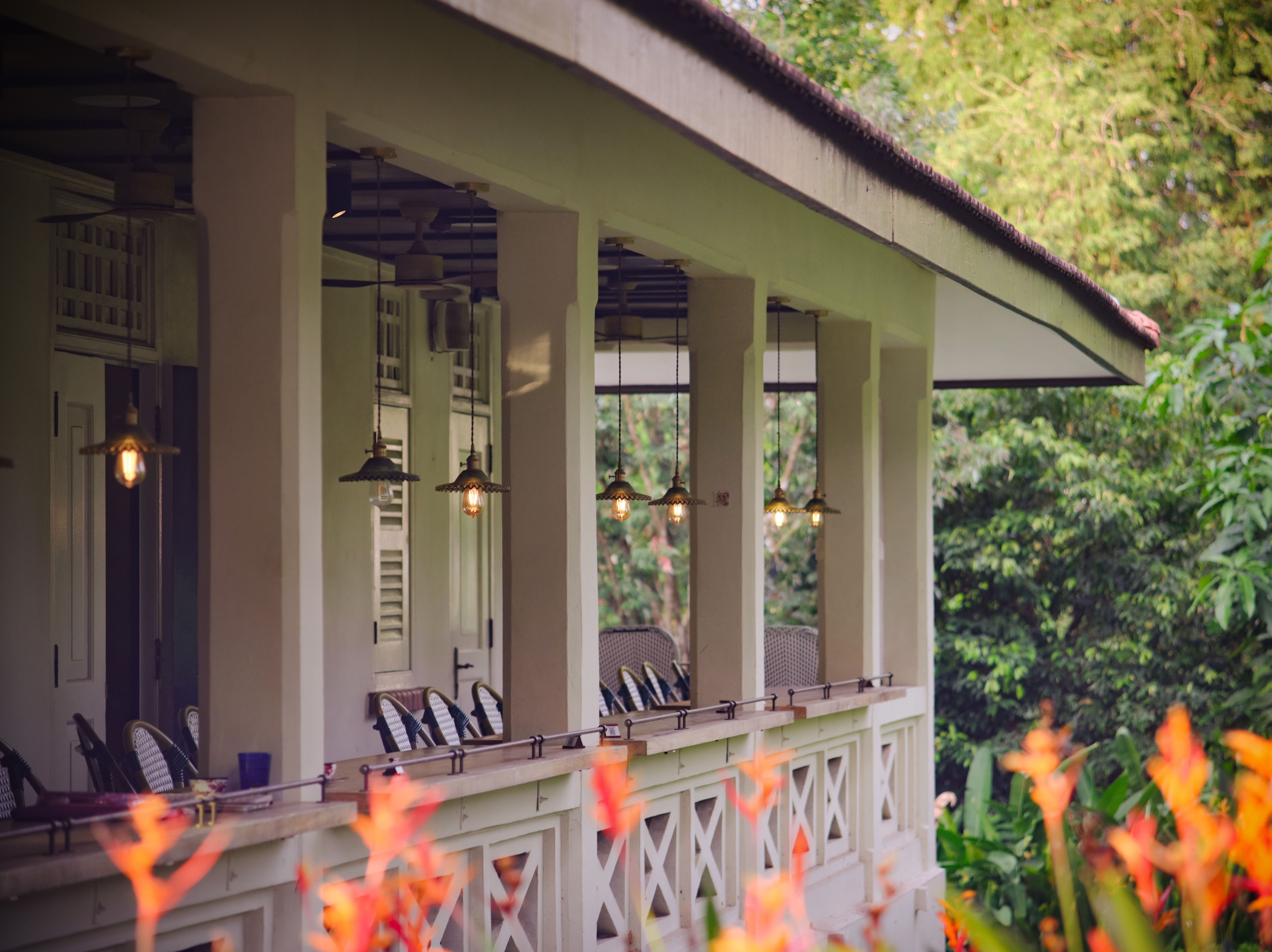
It’s funny to think that long before cafés filled with laptops and co-working spaces, travelling writers had their own version. It was the grand hotels of Southeast Asia—Raffles in Singapore, the Oriental in Bangkok and the Strand in Rangoon.
When W. Somerset Maugham arrived in Bangkok in the 1920s, it was not love at first sight. Exhausted by his journey and unwell, he found the humidity almost unbearable.
But as Maugham recovered and ventured out, the river shimmered in the afternoon light, gilded temples rose above the water, and the city that had first seemed so inhospitable became a place of extraordinary beauty. He wrote later, “It made me laugh out loud with delight to think that anything so fantastic could exist on this sombre earth.”
Bangkok’s Chao Phraya River was where steamships once moored after long voyages from Singapore or Rangoon. For writers like Maugham, Conrad and Greene, this river was the gateway to Siam.
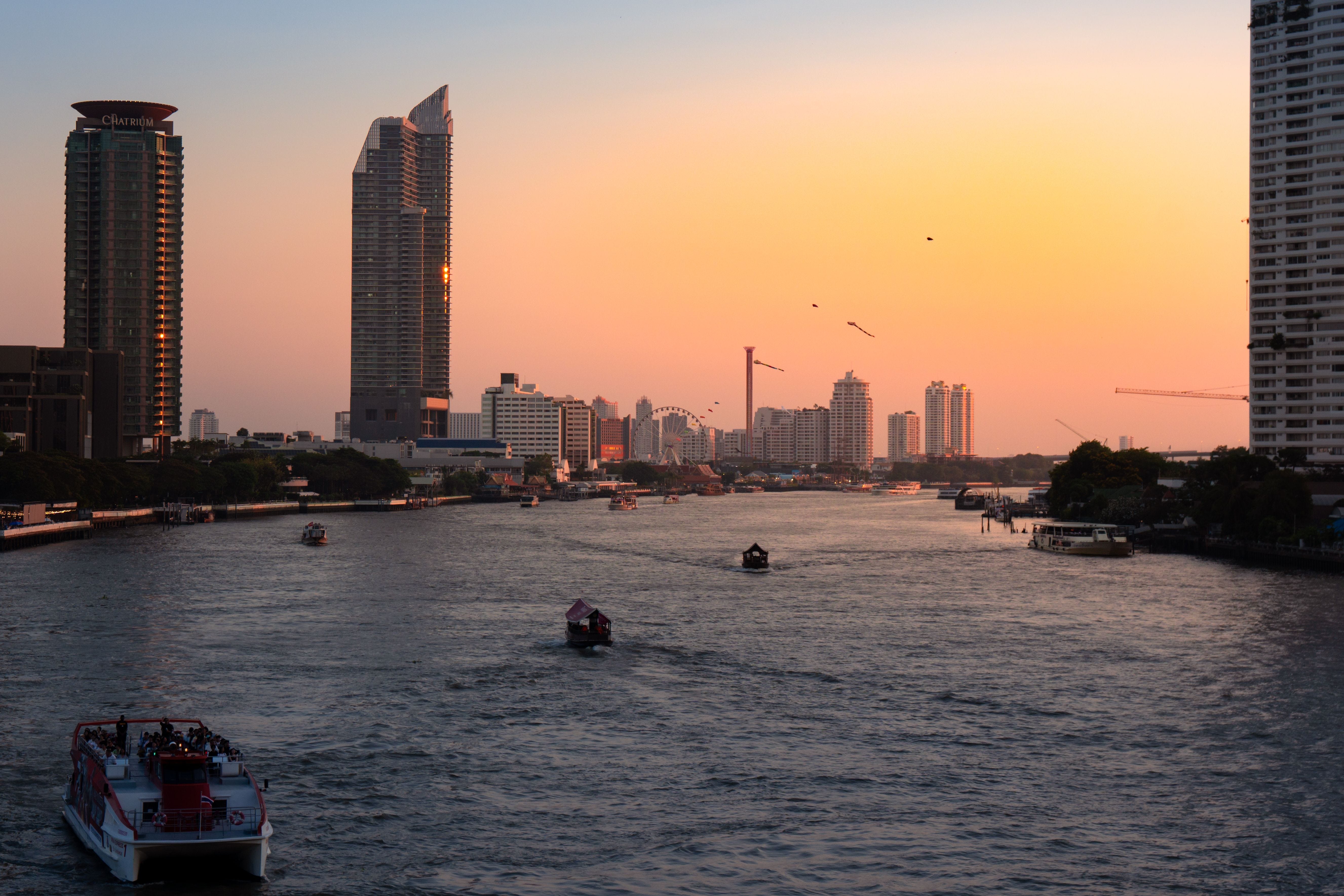
At the heart of this story stands the Oriental Hotel in Bangkok.
No other writer is more closely associated with the Oriental than W. Somerset Maugham. He was a great observer. The conversations he overheard in hotel lounges and on shaded verandas often became the raw material for his fiction. In books such as The Casuarina Tree and The Gentleman in the Parlour, he captured not only the atmosphere of Southeast Asia but the fragile, complicated people who passed through it.
He once joked that if someone told him a secret, it might well end up in one of his stories. It was a reputation that followed him wherever he travelled.
One of the things I enjoy most about Maugham is his dry wit. “There are three rules for writing a novel,” he once said, “Unfortunately, no one knows what they are.” Every time I read that, I laugh. It’s wonderfully reassuring.
Maugham was by no means the only writer to pass through the Oriental’s doors. Joseph Conrad knew the hotel during his years as a merchant seaman on the Chao Phraya. Noël Coward enjoyed its elegance. Graham Greene returned during the years that followed the Second World War, and later writers such as John le Carré would also spend time here.
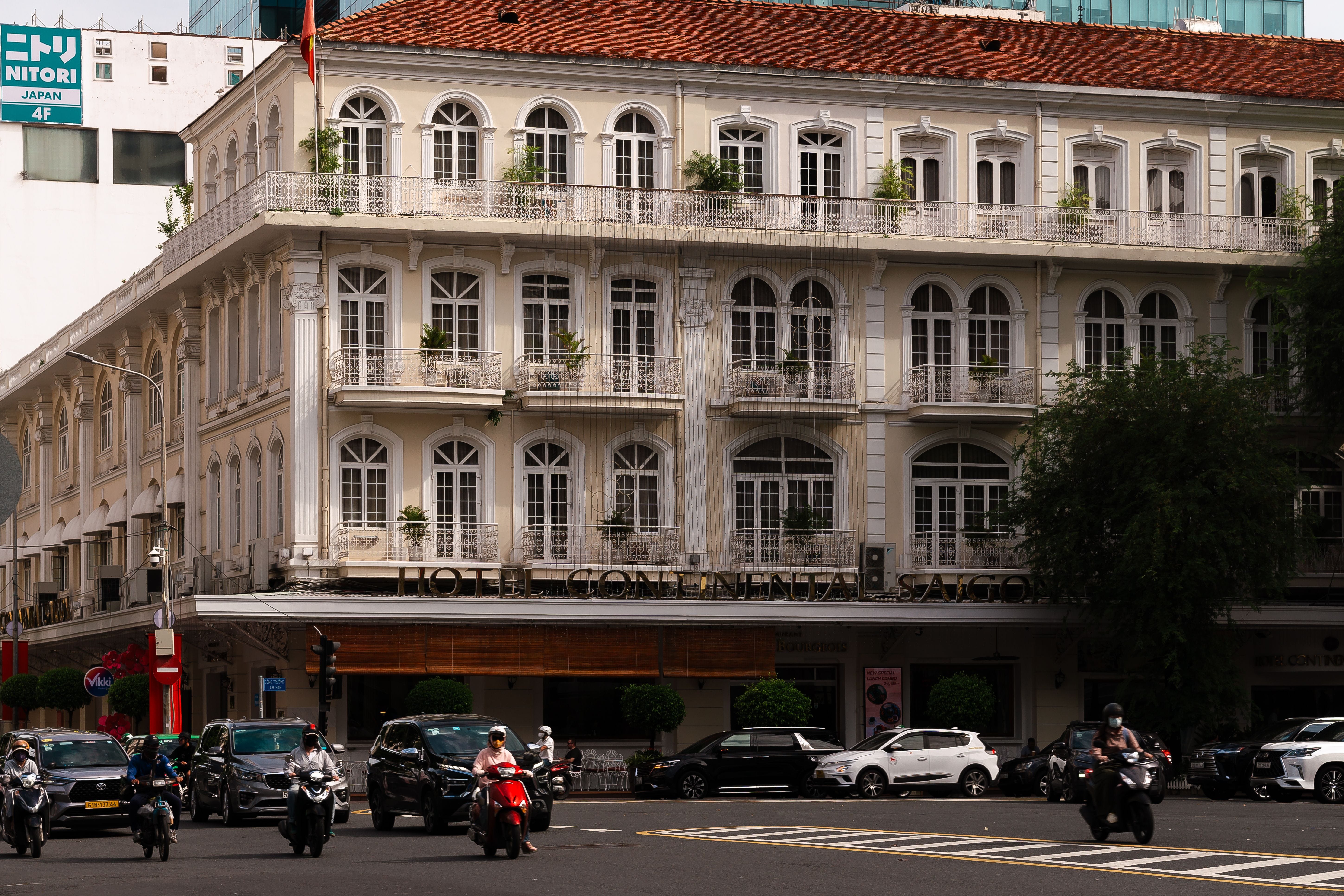
If Maugham gave us the stories of the colonial world, Graham Greene arrived to witness its unravelling.
Greene first came to French Indochina as a journalist in the early 1950s, where he found a region on the brink of profound change. He made the Hotel Continental in Saigon his base, often staying in Room 214 overlooking Rue Catinat. From here he immersed himself in Saigon’s cafés, bars and opium dens, listening to soldiers, diplomats and journalists as France’s grip on Indochina began to weaken.
Those experiences became The Quiet American (1955), one of the defining novels of the twentieth century. Through the weary British journalist Thomas Fowler and the idealistic young American Alden Pyle, Greene explored the collision between the fading colonial powers and the rising influence of the United States. Long before the Vietnam War dominated the world’s attention, Greene warned that good intentions, combined with a poor understanding of local realities, could end in tragedy.
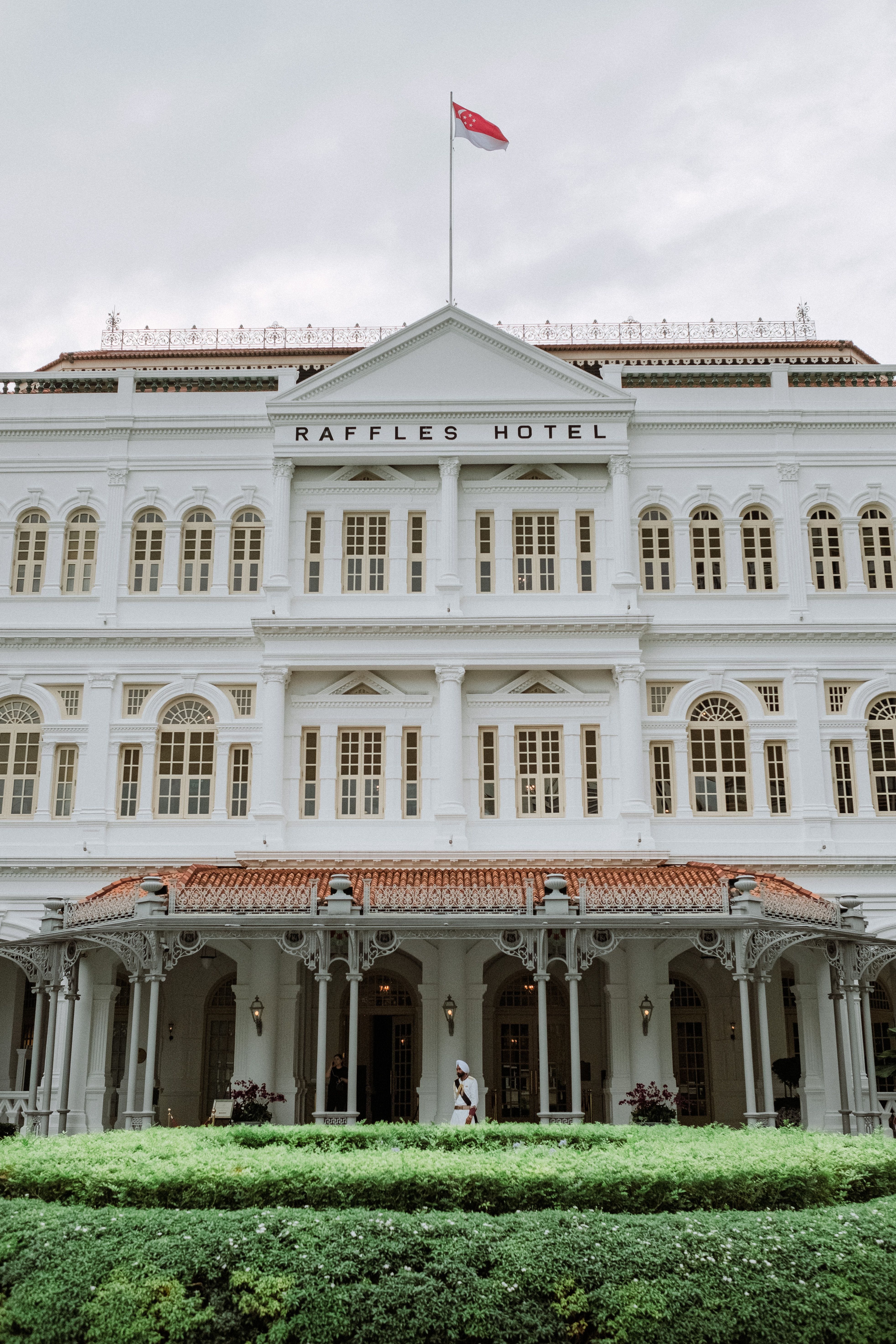
The journey continues to Singapore’s famous Raffles. Opened in 1887, Raffles was a meeting place for merchants, explorers, journalists and writers passing through one of the busiest ports in the British Empire.
Maugham returned here repeatedly on his journeys through Malaya, while Kipling passed through Singapore at the height of the British Empire and later captured the city in From Sea to Sea.
I can only imagine the conversations that took place beneath those big ceiling fans.
Of course, I couldn’t write about Raffles without mentioning the Singapore Sling. Created around 1915, the pink cocktail has become almost as famous as the hotel itself. These days, it’ll set you back around S$40, which is enough to make you savour every sip.
Anthony Bourdain also stopped at Raffles, although he viewed its most famous cocktail with characteristic scepticism. “Nobody in Singapore drinks Singapore Slings,” he once remarked. “What you do in Singapore is eat.”
I suspect he’s right. But then again, how often do you get the chance to drink a cocktail in the same hotel where generations of writers paused between journeys?
Then there is also the playwright Noël Coward. His importance is that he illustrates what Raffles had become: a cultural salon for artists and writers, not just a colonial hotel.
There’s also a famous anecdote that captures his wit. When asked to describe Raffles, he reportedly quipped:
“Raffles stands for all the fables of the exotic East.”
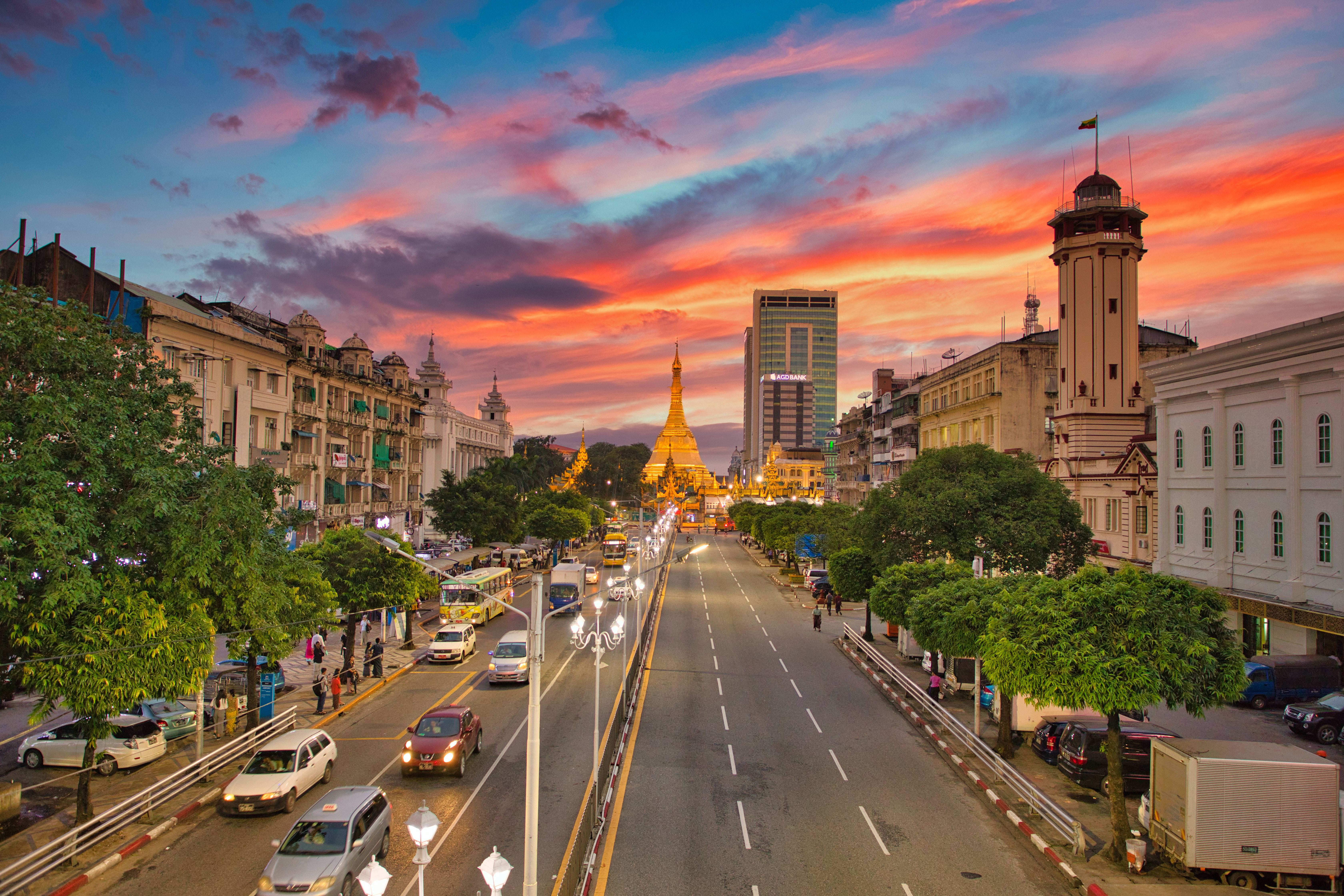
From Singapore, the literary trail leads north again to Rangoon (now Yangon) and the Strand Hotel. Opened in 1901 by the Sarkies brothers—the same family behind Raffles—the Strand quickly became one of the grand hotels of the East.
Steamships arrived along the Yangon River, depositing merchants, officials, adventurers and, of course, writers. Among those who passed through its doors were W. Somerset Maugham, Noël Coward and, later, John le Carré, each adding another chapter to the hotel’s remarkable literary history.
For me, the Strand is important because it has survived the end of the British Empire, the Japanese occupation, a military dictatorship, and decades of isolation, and it still stands today on the banks of the Yangon River. That almost makes the hotel a character in the story.
More than a century later, the world has changed beyond recognition. Yet, even today you can sit on one of those verandas, order a drink, and imagine the conversations that eventually found their way into the pages of the very books we now pack for our own journeys.
Also read:

Thanks for reading! Subscribe for free to receive new posts.
To be fair, we got free peanuts too along with our expensive Singapore Slings at the Long Bar at Raffles. They had us toss the shells on the floor so the oils would keep the wood fresh. Also, don't forget Gore Vidal's association with The Oriental in Bangkok. I once saw him there at the Bamboo Bar. Cheers.
This is a wonderful piece. It charts the psyche of a bygone age from rise to fall through its writers giving us insights into their time and the strong desire to read them!