
Hiking at Summer’s End
What the veld reveals when the season turns

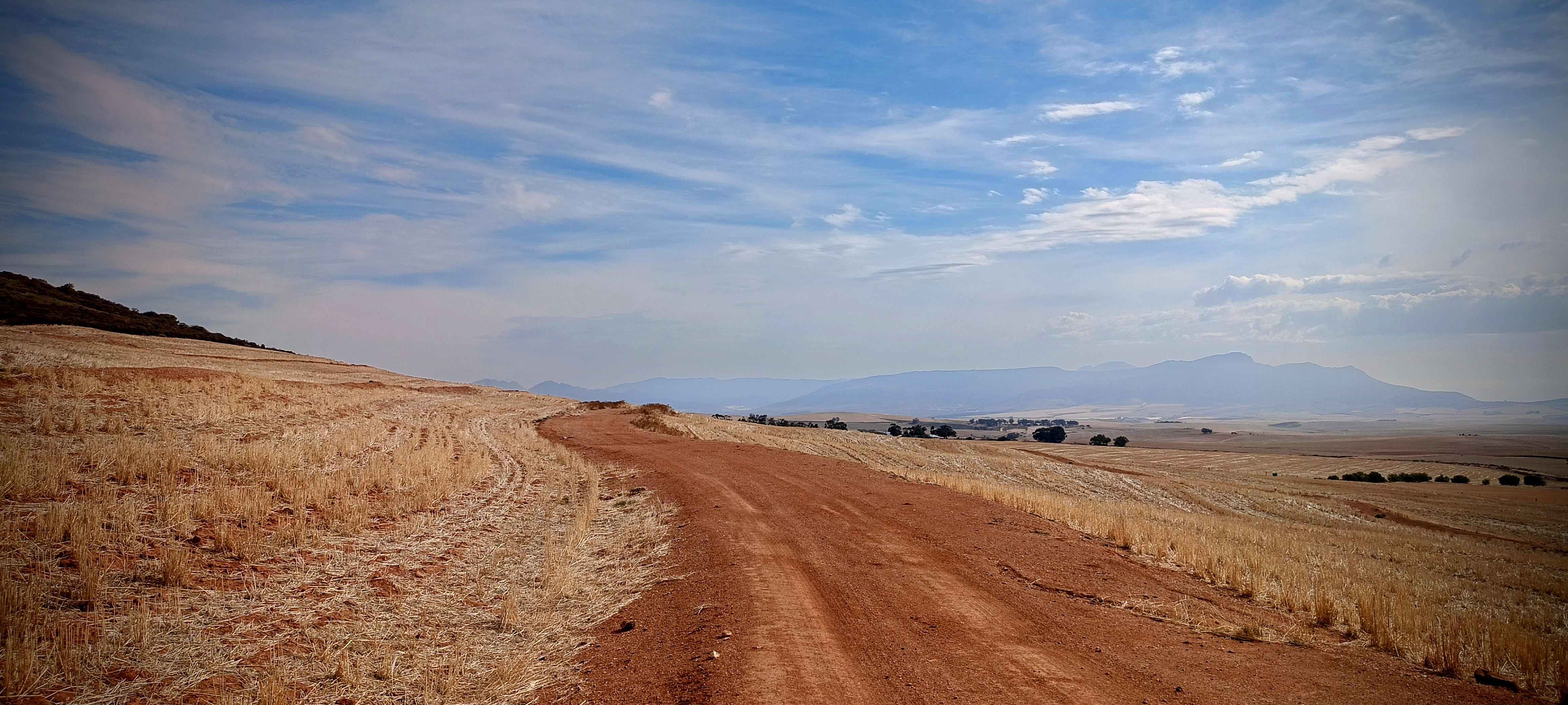
In early March, we had rain, and then, without warning, summer returned for a final heatwave that lasted for a week. When the intense heat finally eased, we decided to hike the koppie (hill) at Koringberg.
The morning was cool, with a soft breeze, and for a while it felt as if the land were exhaling. But as we climbed, the temperature rose again, and by the time we reached the top, the heat had settled back in, heavy and familiar.
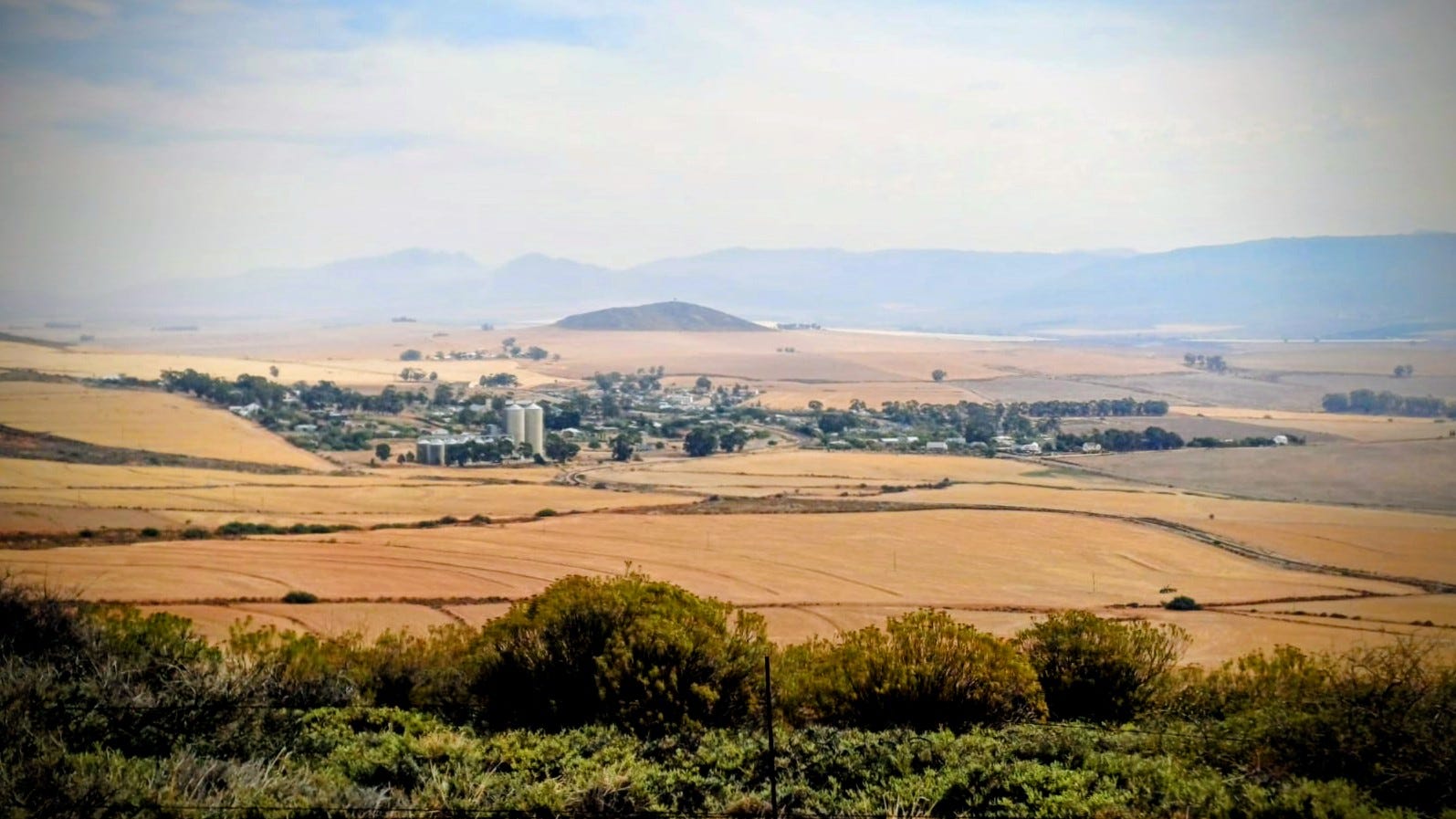
The view stretched far and wide, from open farmland to the small village of Koringberg below us. We had hoped to see Table Mountain and the Cederberg, but they were hidden in the haze. All around us, the veld looked dry and tired. Many of the plants seemed brittle, some almost blackened. And yet, here and there, small white flowers pushed up through the dry earth. I remember wondering how anything could still bloom in such conditions.


Along the path, many of the plants were carefully marked, most of them named in Afrikaans, carrying a kind of rhythm on the tongue. Wilde roosmaryn (Eriocephalus africanus), agtjaar-geneesbos and renosterbos (Elytropappus rhinocerotis). I found myself lingering over them, sounding them out. I have heard these names before, in a song, or perhaps in Afrikaans poetry.
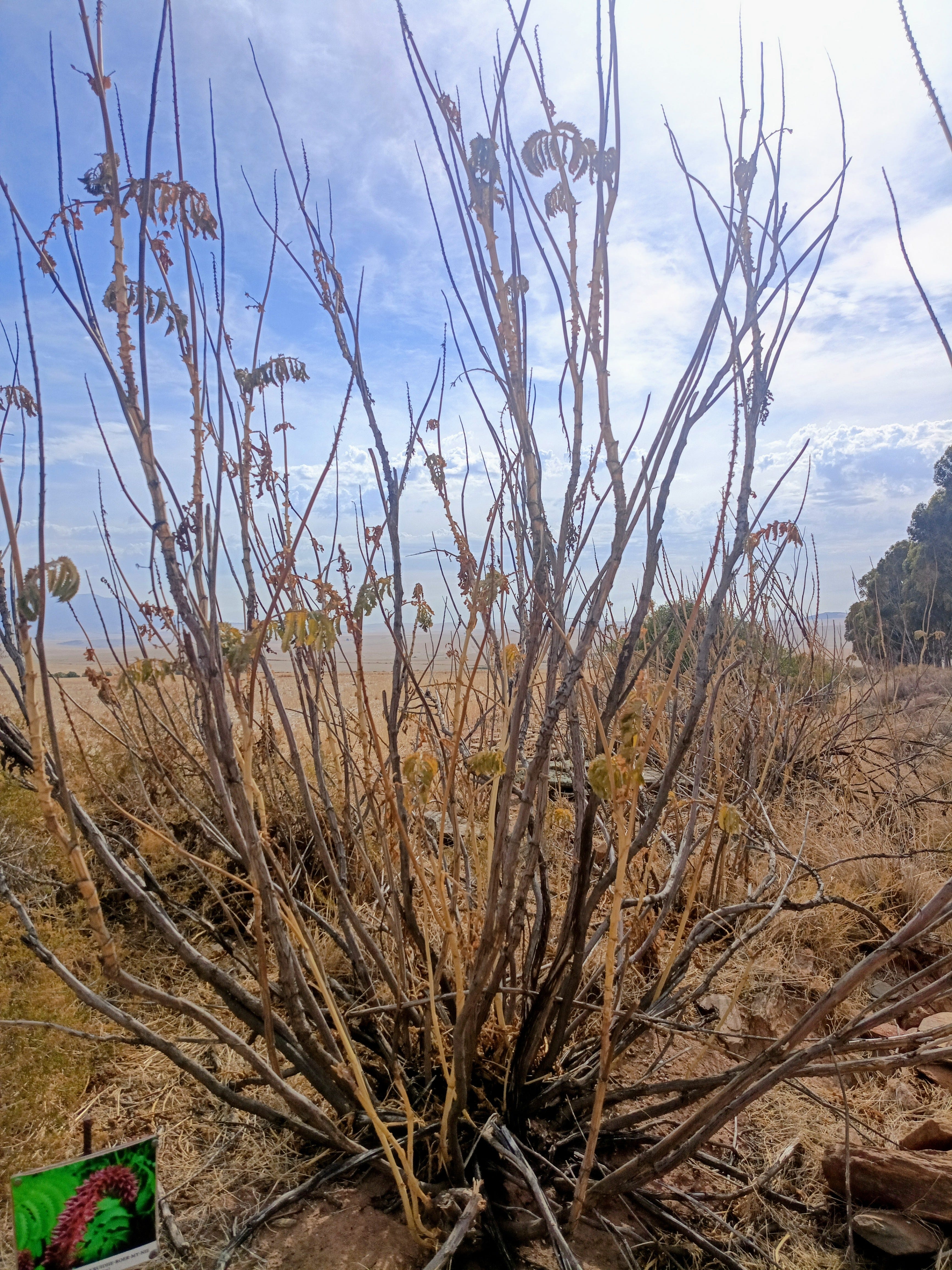
Near the bottom of the koppie, close to a dry creek, I stopped at one of the marked plants: kruidjie roer my nie. The plant itself, though, looked dry and fragile, almost lifeless. I felt an unexpected sadness looking at it.
Later, I began to learn more about the plants, the koppies, and how life persists in these conditions.
The Swartland’s renosterveld can appear dull and dry in late summer, but it is one of the most complex and threatened ecosystems in the world. It is found mostly in the Western Cape, in places like the Swartland and Overberg, though much of it now exists only in fragments. Because it grows on richer, more fertile soil than fynbos, much of it has been transformed into farmland—what remains often survives on these koppies, too rocky or steep to plough. Their dark appearance, which I had always associated with dryness or even damage, comes partly from the underlying shale soils and the renosterbos itself, which takes on a darker, almost blackened tone in the heat.


The more I read, the more I began to see the landscape differently. Many of the plants are not gone, but resting, holding their energy below the surface, waiting for rain. Some respond even to the slightest moisture, which perhaps explains those small, improbable flowers I had seen pushing through the dust.
Even the kruidjie roer my nie I had pitied carries its own quiet defence — it is a toxic plant. It made me realise how quickly I had translated dryness into loss, and silence into absence.
Late summer in the Swartland is a pared-back season. The colours fade, the ground hardens, and everything feels exposed. But there is something honest in that bareness, a sense of endurance.
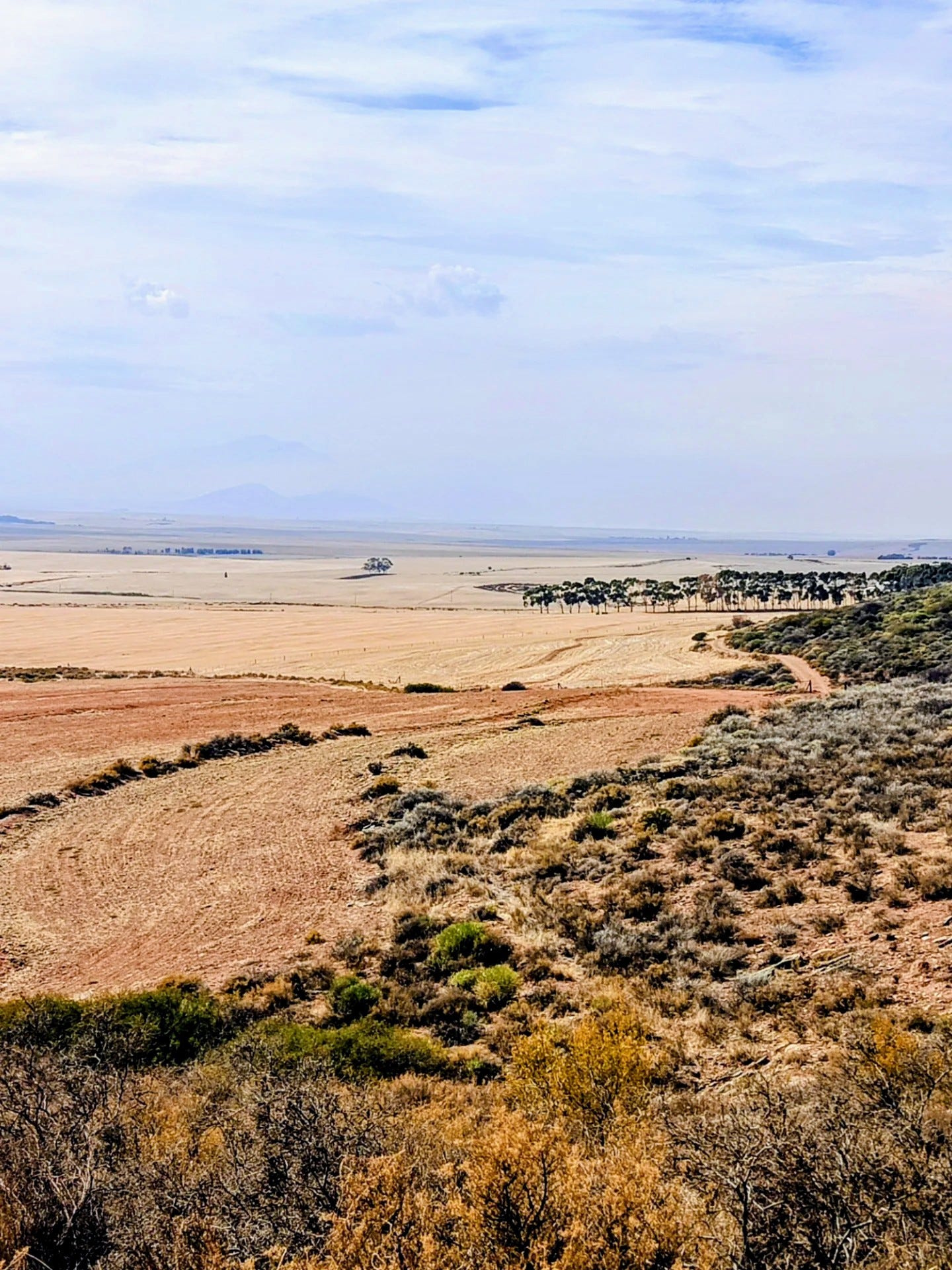
I left feeling deeply grateful for the chance to notice more than I understood at first. What I had taken for an ending was, perhaps, just a pause, a moment between seasons.
I would like to come back in spring, to walk the same koppie again, and see what was always there, waiting.
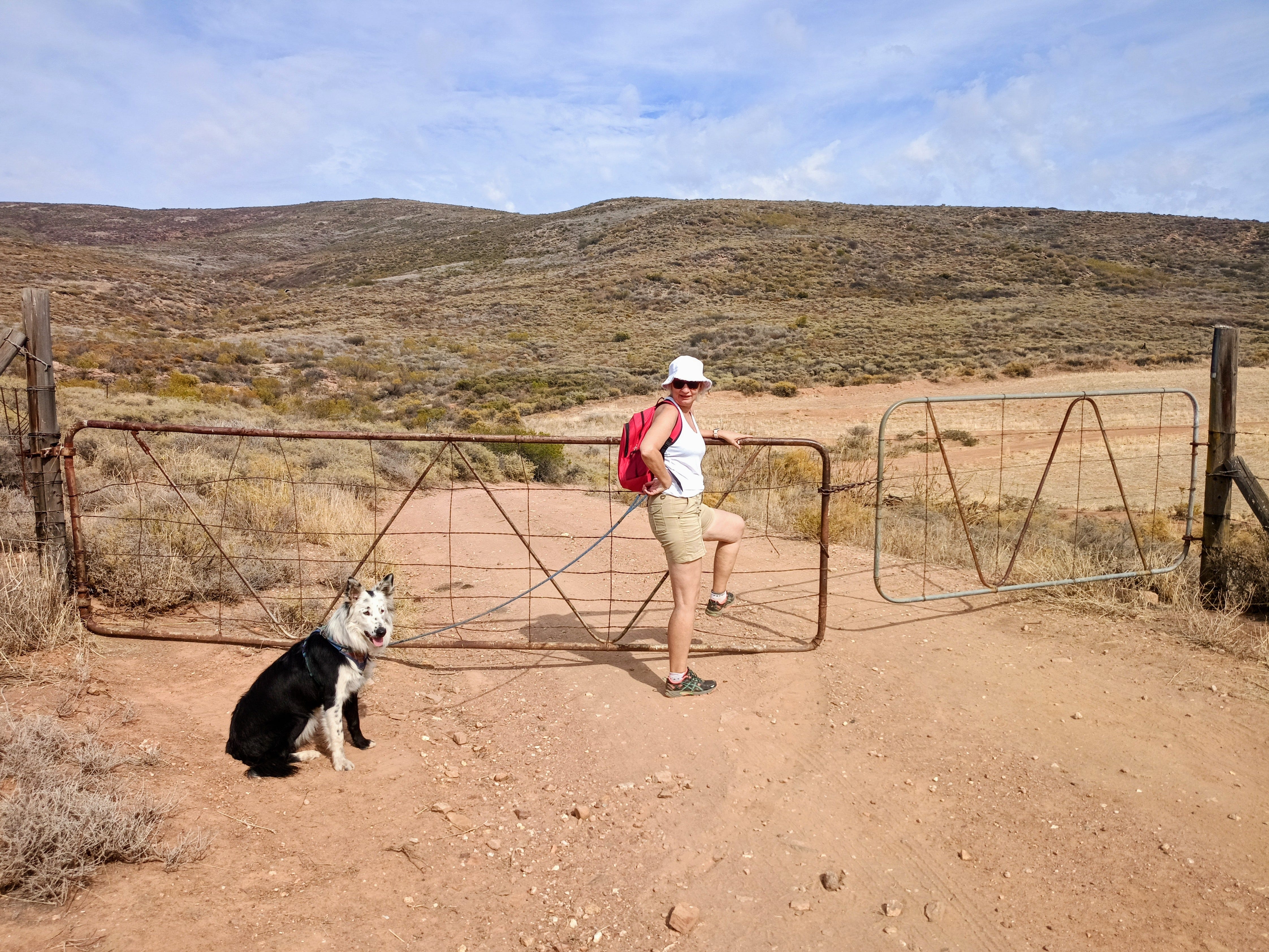
And to my dear friend Dicky, and his dog Bowie, who shared the heat and the path with me—thank you.
You can read his post here:

If you found something here you didn’t know you needed, you’re welcome to subscribe for free:
Or support my writing with a coffee here:
You can also find me here.
https://travelswithmarita.com/
https://www.instagram.com/marita_bester/
When I first looked at the cover photo, I thought it was something like a semi-desert. But as I started reading, I realised it was an entire world – and a complex one. Thank you.
Beautiful! I am always amazed by this scenery, when we passed through the Swartland recently I couldn't help but think about what it would look like in a few months time. Nature is amazing.